Showing posts with label millennials. Show all posts

Wednesday, 10 August 2016

Don’t mention the M word: travel habits are about Lifestyle

Recently I stayed in a category of hotels that aim to re-define the convenience / consistency / perks driven experience that dominates mainstream travel with a highly individualised one, and which have increasingly sprung up across all regions to cater for the supposedly ‘new’ generation of travelers.
Upon arrival I was ushered by a friendly girl in sneakers to a self-check in terminal. At the restaurant I found a mishmash of cosy sofas and dining tables and the menu came on an iPad. The room was a loft room with separate lounge and sleeping areas. You know by now that I am talking about a hotel that is from the outset targeted at the so called Millennial generation. The experience was awful, but before I go into the details why, let’s get a clearer idea of this much overused category: the Millennial traveller.

Shock, horror - Millennials are not as
different as previous generations
The Millennial Myth demystified
After a flurry of breathless predictions over the past years on Millennials’ uniqueness in shaping every part of our lives, most industries and commentators have now realised that Gen-Yers are – shock, horror - not quite as different than previous generations. A recent US centric study on this that can be found here shows that it is more the times we live in, rather than generations themselves that have shaped behaviour. People respond to the changes around them and according to the report, any differences in travel behaviour between Millennials and previous generations have more to do with the 2008 Global Financial Crisis than with dramatic shifts in attitudes and as such are likely to be evened out as Millennials mature.

The ascendancy of the Lifestyle brand
If we take the Millennials out of the equation, what we are left with is essentially ‘Lifestyle’, which as a travel category has been on the ascendancy for quite a while. It seems that we have mistaken the Millennials’ sheer power of numbers with our changing habits and preferences, which are in fact inter-generational.
The first W hotel in New York


We all like a little more personalisation and special experience when we travel – who wants to stay in a hotel room that is totally interchangeable with the one in the hotel next door if you can avoid it? It seems to me that what used to be called a boutique hotel, which was by nature geared towards attracting a niche, has now become a lifestyle hotel.

A quick check into the history of hotel brands shows this very well. Ian Schrager, often referred to as single-handedly creating the boutique hotel genre, saw the emergence of a more individualistic trend in travel three decades ago. And the original “Lifestyle” hotel brand, W Hotels, was created as far back as 1998, a time when the term Millennials wasn’t even coined, mobile phones looked like bricks and AltaVista reigned as the Internet search engine of choice.

The newer brands in this category such as Moxy, Aloft, Tribute, VIB and the likes are the W’s of our times and share the corresponding design principles pioneered all those years ago, namely high-tech amenities, communal spaces, as well as an emphasis on the experiential and wellness. These are all attributes that I respond to as well, and I am certainly not a Y’er. They may all look kind of bland and same-ish, but as long as what they do is well executed these hotel brands should do well in any demographic. 


The fundamentals of guest experience have not changed
Which brings me back to my experience at the hotel I mentioned at the start.
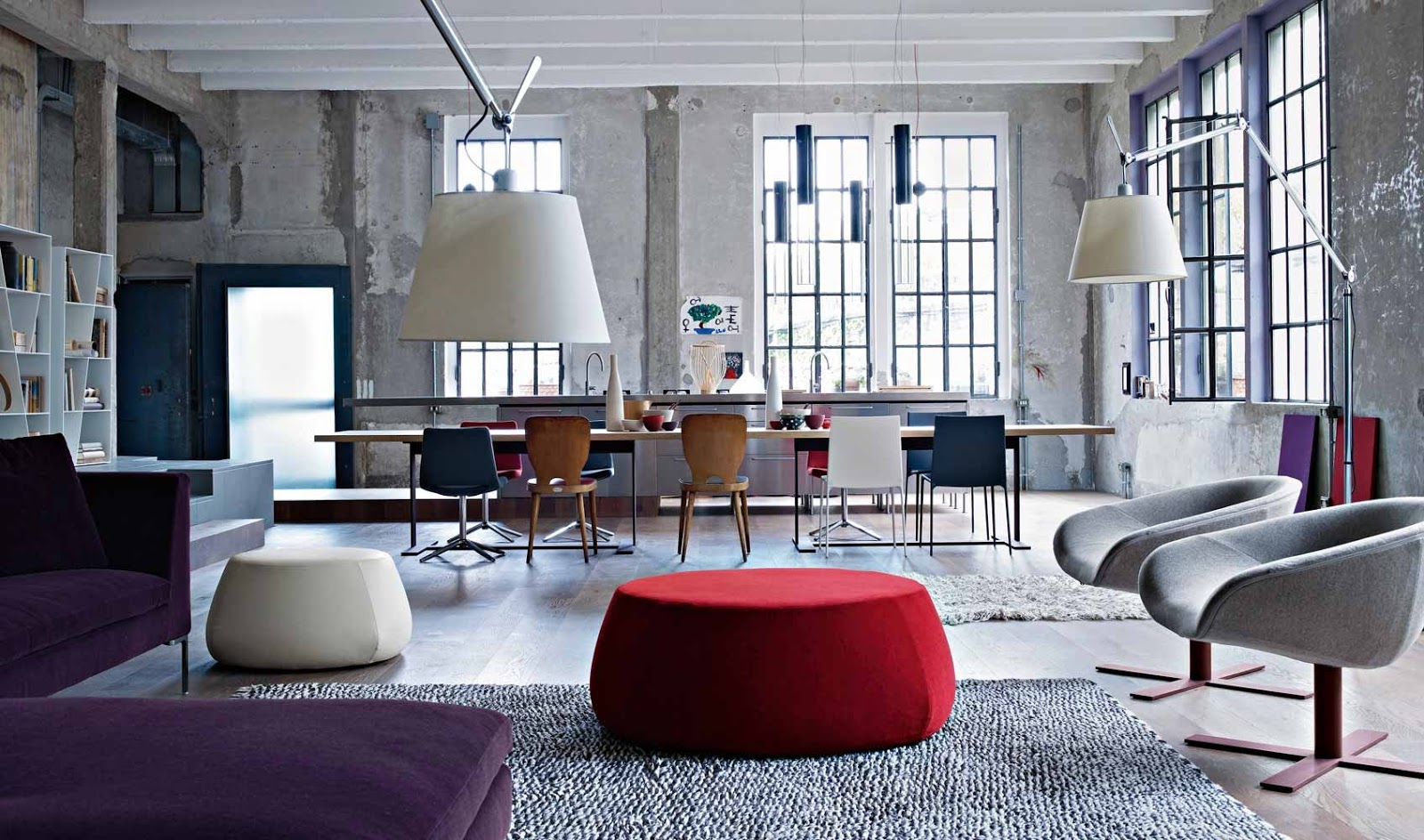
Hipster aesthetic:
bland and same-ish
What appears to have gone wrong there was that the owners/developers wanted to quickly jump on the Millennial bandwagon without doing the home work. If what we are seeing today is the emergence of lifestyle brands, not Millennial brands, it is an obvious conclusion that the fundamentals should not have changed either, such as good customer service and guest experience.

Is there room for improvement in the check in process? Absolutely. But just slapping a check in kiosk in the lobby and letting the guest do all the tedious work of typing in address details (as opposed to being able to hand front end staff my business card so they can do it later) translates into a terrible guest experience. That this part can be handled much better has been proven by early adopters in the lifestyle category such as CitizenM, that engage the guest early and thus have a complete picture at check in that requires just a few steps by the guests themselves in order to walk away with the room key.

And just to complete my list of complaints at that hotel: if you do go to the length of having an iPad for ordering in the restaurant, make sure that it actually is doing what it is supposed to do. Handing me the tablet and warning me to ‘check the order with the server before placing it’ translates into a very expensive exercise in futility.

Last not least, just giving the appearance of ticking all the right boxes with a contemporary design and ‘communal spaces’ is simply not enough. A loft room may be cool and contemporary, but if it is not equipped with enough power points and/or USB charging stations frustration will set in very quickly. And only allowing me to access WiFi with two devices when I need access for 3 (the average is 3.6 today and 4.3 by 2020) will make sure this hotel will disappear from my favourites list forever.


Wednesday, 9 December 2015

China hotel market set to recover within five years...

…and other dispatches from the China Hotel Technology Alliance’s Annual Conference

Jing Zhu, Chairperson of the CHTA
at the opening of the conference
Well attended and organized, CHTA’s third annual conference was held last month in Macau. The overall theme was ‘Creating Value’ and while there were the occasional dull spots, overall the event delivered on what it set out to do.

China Hotel Market is set to recover within Five years
One of the first keynotes dealt with the China market recovery which was pinpointed to occur sometime within the next five years (let’s hope it is earlier rather than later…). Singled out as one of the key factors to set the scene for recovery were international brands, which need to be more flexible in terms of brand standards in China, rather than pursuing a cookie cutter approach to be successful.  

Talking about Millennials - again
Chinese Millennials -
not so different
There is of course no event worth its money that would not bring up the mystical Millennials, and at CHTA’s conference, it was Sunny Wang, Executive Director at HFTP’s Asia Research Centre – herself a Millennial – who took the stage to give us Baby Boomers and GenXers a lesson in all things Millennial. The most interesting for me was her assurance that Millennials are generally happy to play with technology in the room as a novelty factor, even if the technology is not essential. While this shouldn’t tempt hotels to over stack their rooms with gadgets, it is an affirmation that IPTV, second screen, Airplay and Miracast do matter, and will matter even more in the future.

But unlike the Millennials in the Middle East which are unexpectedly brand loyal, Chinese Millennials don’t seem to have a specific trait that makes them different from their peers in other geographies. However, speaking with one delegate from Singapore on the sidelines, he professed that unlike Millennials elsewhere who are generally lone wolf travelers, Millennials in Singapore like to travel in small groups of friends. This type of information has great value to hotel developers as it guides what types of rooms they should cater for, so I hope that someone in due time will make an effort and dissect Millennials likes and dislikes a little more granularly along the geographic divide, rather than just focus on general habits.

With Millennials gradually coming into force, some predicted the hotels of the future will be more like real estate that happens to have some hotel rooms, with rooms being re-purposed as offices, meeting and events spaces and the likes, and sometimes as a place to rest your weary head. While this may sound far-fetched now, one cannot help but wonder what our world will look like once the Millennials have well and truly taken over. As I said before, the 5-star hotel as we know it, for one, will be a thing of the past. And so perhaps will the hotel as we know it, who knows…

Creating Value in a Hotel with IT
The 'Creating Value' panel at the
3rd Annual CHTA conference in Macau
Hotels are run in a very old fashioned way, forcing people to speak to staff for requests rather than fulfilling them through self-serve options. This was the consensus during a panel discussion featuring eminent speakers from the likes of Peninsula, Banyan Tree and Westin hotels. So whatever happened to the coveted ‘personalised touch’? Again, blame the Millennials, but it is undeniable that there is a push away from person to person interaction to self-service – and thank heavens for it, too, if you ask me.

But the far more interesting question posed at the panel was what is stopping hotels from implementing IT to create value? While cost of course is a major factor, blaming the rapid evolution of technology is somewhat less convincing. 

We are on a kind of plateau at the moment when it comes to underlying technology developments. The one thing that’s continuing to change fast is consumer electronics, so as long as hotels underlying technology infrastructure is robust, enabling guests to interact with the hotel’s technology using their own devices should not be a major undertaking.

Finding the right talent to implement and support technology and getting staff to embrace technology rounded off the list of challenges identified by the panel. Nevertheless, the audience vote on whether IT can be a direct source of revenue at the end of the panel was an encouraging 75% yes.

Wednesday, 7 October 2015

Millennial Brand Loyalty and how to not use Social Media in Hotels

Last week’s Hotel Show in Dubai was again a well-attended event, although the conference was a little underwhelming, or at least the TecSec Summit, the technology focused branch of the conference program was.  Generally I believe that great expos have average conferences and vice versa for the
simple reason that each format attracts different types of attendees, so inevitably the part with lesser emphasis will suffer. This was the case for the TecSec Summit which had a great program but suffered from bad accoustics and a lack of a dedicated conference manager who would keep time and more effectively moderate the audience-speaker interaction.

Millennials in the Middle East are different – buy why?
Nonetheless, there were a number of interesting presentations worth battling the ambient noise for. Millennials featured in more than just one presentation and while the general consensus is that this new dominant demographic is picky and demanding, a presentation from Google pointed out that unlike their peers elsewhere in the world, Millennials in the Middle East are very brand loyal.

Why? According to Google, the Millennials in the ME are not quite as sophisticated when it comes to brands but will catch up soon. 

Really? In a region that has become synonymous with brand shopping and conspicuous consumption and boasts large membership of social networks it seems a little far-fetched to blame a lack of sophistication. It would be welcome to get a greater perspective here, as the results may also provide a better understanding of brand loyalty in this demographic in general. I hope the good folks at Google take up the mantle and dig a little deeper here (the essence of the Google presentation can be found here).

Big Data or Big Brother?
Another big topic was Big Data and how hoteliers can use it to their advantage. It’s a topic close to my heart, as IPTV systems by nature can reveal a lot of information about guests through their in-room entertainment system usage. However, most hotels today tend to just look at general statistics, rather than ‘customising’ a guest’s experience.

Copyright Pauline Siebers
Social media is at another level of course and it is tempting to look at the data available surrounding travelers on the net as this big, easily mined pot of gold, ready to be exploited. But just how dangerous it is to approach this topic without a sound strategy and thorough research was evident in the TecSec panel discussion on this topic.

It’s all fair and well to engage with guests on Twitter and Facebook but what about using guest data from social networks to customise his/her visit? Where to draw the line between usefulness and invasive creepiness? Sadly, the panelists only had shrugs rather than enlightened answers, which is a shame, as this question had come up in other sessions of the conference (it does help to attend some other sessions than just your own to get a feel for what is top of mind).

While some people may find it a ‘wow’ factor when the hotel spots from my various social media sites that I like Hello Kitty and stacks my guest room with references to them, an equal amount may find it very creepy and will feel they have been stalked and run a mile, never to be seen at that hotel ever again. The problem is that you may not glance from my online profiles to which camp I belong.

The rather limp response from the panelists was to adopt a ‘trial and error’ approach, which I doubt any hotelier would risk, less a bad experience not only repels one guest, but also presumably his/her 10,000 twitter followers.

Those advocating these purportedly ‘tailored’ initiatives really want an algorithm that neatly takes care of seeking out the info and delivering the right call to action to the hotel for fulfilment. But, as much as culture, conditioning and commerce have forced us into certain stereotypes that behave more or less predictably, there is a core individualism inherent in us that spoils the party for those who want us all to ‘like’ the same thing. And thank heavens for that, too.

Don’t get me wrong, I think data mining could play a much bigger role, especially when determining which pages/services/offers are more popular than others, what content is looked at how often, to better the experience etc. But hotels understand very well that there is a creepiness factor and are mindful of not straying too far into their guests’ privacy.

Beware the 'Beacon' Effect
For now, and unless there is a more solid, empirical approach to this, I believe the most productive way to mine the social media data is to look out for broad trends, rather than individual targeting. Yes, it means business cannot use all that fabulous data out there but as even Facebook learned with their disastrous ad platform Beacon, which resulted in a class action law suit and was eventually scrapped, we are not quite ready yet to accept being completely manipulated.

Monday, 15 December 2014

Big Data and Millennials dominate regional Hotel Events

Autumn is convention and exhibition time in Asia which of course also includes a smattering of hospitality related events. I attended two: the China Hospitality Technology Alliance Conference (CHTA) in Beijing and the HotelManagement and Technology conference in Jakarta. The CHTA is the China equivalent of HTNG and has managed, in its sophomore year, to stage a slick event that pulled in a lot of big names to lend it some heft.

Standout topics for me were how to manage your OTA relationship (answer: they're here to stay so you better get your strategy right and if you rely 80% on them you are doing something wrong), whether the days of charging for things in the hotel room are over (a resounding yes) and how does big data impact hotels (in every way!).

Big Topic: Big Data
After the session on the latter, the instant WeChat poll of the audience on what info was most important to glean from big data clearly pointed to hotel guests' behaviour during their stay. And rightly so: from improving service to streamlining operations, data on guest behaviour is key for hotels moving forward. The airline industry, as always, is a few steps ahead when it comes to this topic. In a recent report by the FT, Wifi speeds, flexible screen based technology and in-flight entertainment systems featured were named as the key areas where airlines focus their efforts to innovate. "Expect personalised in-flight entertainment experiences, whereby a seat knows who you are before you sit down and what you watched last time," the article quoted one industry specialist. To a degree, it is possible to implement something similar in hotels today as well - provided guests use the same loyalty number to check in the same hotel brand. From building your own TV channel list and saving it for next time, to preferences for in-room dining, big data can facilitate a much more personalised experience which will help with differentiation and brand loyalty. But, as I said before, both airlines and hotels need to carefully manage their guest/passenger data in order to not appear too Big Brotherish which will be a turnoff for many people.  

How will Millennials impact Hotel Brands?
The Jakarta event in November was equally well organised and attended. What caught my attention during the conference was what appears to be a bit of an identity crisis between the plush established 5-star brands and the new, three star kids on the block, such as Tune Hotels.

While the latter promoted its 'cheekier' image explicitly to attract Millennials, Tune's COO Frank Trampert was quick to point out that his hotel chain was aiming at a much broader audience. Similarly, when asked what they would do to attract the Millennial travelers, the representatives of Mandarin Oriental, Fairmont and the like gave rather disappointing answers, mainly praising how their marketing team have embraced social networking techniques.

This very much looked like to me as if currently the hotels at either end of the spectrum expect Millennials to go through a transition from the Tune-style cheekiness to the traditional 5-star hotel brand - pretty much how things have progressed mostly for the past decades as travelers transition from cheap backpacking as students to sophisticated travel as they become established and affluent. While this may still happen, something tells me that this new generation of connected travelers are more likely to shake up this expectation which may have radical consequences on hotels' positioning and design. Watch this space.

Friday, 28 February 2014

In-Flight Entertainment vs In-Room Entertainment

While reading a recent report by Deloitte's on the future of In-Flight Entertainment systems (IFEs) and how they are changing the flying experience for both passengers and airlines, it struck me how the findings could just as well apply to hotel in-room entertainment systems (let's call them IREs, not that it's a recognised industry term yet, but if there's IFE, there should be IRE...).

Of course, there are some differences in operation and value proposition between planes and hotels. But the fundamentals on which both are rated on are essentially the same: price, destination served (airlines) or location (hotels) and quality of service. Yet, while these days even short haul and low cost airlines see IFEs as mandatory in order to compete, the notion that IREs are an unnecessary expense is still surprisingly widespread in the hospitality industry.  

This is in stark contrast to how airlines value their entertainment systems:  embedded IFEs are typically the single biggest expense after engines (yep...big gasp). Of course there is no point doing a like for like cost comparison between IFE and IRE, given the unique environmental and regulatory challenges of an aircraft that keeps the entry barrier for competition high. But are airline customers and hotel customers really that dissimilar an audience that it would warrant valuing entertainment systems so differently?

Let's take a look at some of Deloitte's findings.

Embedded IFEs are now able to improve the level of service, reduce costs and open up additional revenue streams for the airline.
Given that it is way more complex and expensive to upgrade an IFE system, it's understandable that hotels were somewhat quicker in realising the potential that IREs, combined with flat panel TVs and even smart TVs offer. Having said that though, viewing IREs as a revenue generator and cost reduction enabler has yet to be embraced by the industry as a whole. Way too often hotels still hold the view that now in the age of declining VOD revenues IRE is a cost centre and that's that. Maybe the big price tag forced airlines to find a better way to utilise - and thereby rationalise - their systems, but fact is that good IREs have long been ready to provide substantial tangible and intangible value to hotels.

Personal electronic devices (PEDs) will not replace IFSs, at least not in the immediate future. Airlines must choose IFE systems which allow and encourage the use of PEDs in conjunction with IFEs.
An important point that hotels should note: simply abandoning the TV and concede defeat to personal devices would be shortsighted. A TV is prime marketing real estate in a hotel room and even with an increase in the use of PEDs, television still reigns supreme when it comes to entertainment - even among the
much coveted Millennial demographic. Interaction is key here, so offering Miracast and/or Airplay integration with the in-room TV is a must for any IRE system to provide the type of sticky service that creates brand loyalty.

A cost effective and scalable Wifi internet solution will be an industry game changer.
Well ok, this is where the airline industry has long been on the backburner because (we were told) it was not compatible with navigational instruments. Or something. But where there's a will there's a way, apparently, and just now I read that ANA has joined the fray of airlines that are enabling Wifi internet access on their flights. My guess is that the airline industry will go through a similar trajectory with Wifi as the hotel industry did: to start it will be a novelty that people are willing to pay big bucks for, then it will be an expected commodity with charges petering out towards a free or tiered model. I wished airlines took a leaf from their cousins in the hotel business and go straight for the freemium model. But somehow I think it's not going to happen... 
  
IFE is no longer a must-have offering for long haul full service carriers, but a tool for improving business of low cost and short haul carriers.
Just like IFEs, IREs were very much a five star proposition just a few years ago. But the relentless march of technology has made IREs now an affordable and viable option for budget hotels, just as it has done for budget airlines. Smart TVs are playing a major role here, but so does the ability to integrate with workflow systems that streamline backroom operations, such as housekeeping. For airlines it is now much easier to provide IFE, for example with tablet based systems, but it is also how they use it that matters. And similarly to budget hotels, low cost airlines see the system as a tool to provide upsell or streamlining operations, rather than "just" an entertainment tool, which has long been the main purpose of IFEs.

Passenger are placing increasing emphasis on IFE and connectivity, thus a quality offering is an easy way to market an airline as cutting edge and an effective way to fill seats.
Well, replace "airline" with "hotel" and "fill seats" with "generate bookings" and you have the purpose of an in-room entertainment system in a nutshell.

Thanks Deloitte!