Wednesday, 10 August 2016

Don’t mention the M word: travel habits are about Lifestyle

Recently I stayed in a category of hotels that aim to re-define the convenience / consistency / perks driven experience that dominates mainstream travel with a highly individualised one, and which have increasingly sprung up across all regions to cater for the supposedly ‘new’ generation of travelers.
Upon arrival I was ushered by a friendly girl in sneakers to a self-check in terminal. At the restaurant I found a mishmash of cosy sofas and dining tables and the menu came on an iPad. The room was a loft room with separate lounge and sleeping areas. You know by now that I am talking about a hotel that is from the outset targeted at the so called Millennial generation. The experience was awful, but before I go into the details why, let’s get a clearer idea of this much overused category: the Millennial traveller.

Shock, horror - Millennials are not as
different as previous generations
The Millennial Myth demystified
After a flurry of breathless predictions over the past years on Millennials’ uniqueness in shaping every part of our lives, most industries and commentators have now realised that Gen-Yers are – shock, horror - not quite as different than previous generations. A recent US centric study on this that can be found here shows that it is more the times we live in, rather than generations themselves that have shaped behaviour. People respond to the changes around them and according to the report, any differences in travel behaviour between Millennials and previous generations have more to do with the 2008 Global Financial Crisis than with dramatic shifts in attitudes and as such are likely to be evened out as Millennials mature.

The ascendancy of the Lifestyle brand
If we take the Millennials out of the equation, what we are left with is essentially ‘Lifestyle’, which as a travel category has been on the ascendancy for quite a while. It seems that we have mistaken the Millennials’ sheer power of numbers with our changing habits and preferences, which are in fact inter-generational.
The first W hotel in New York


We all like a little more personalisation and special experience when we travel – who wants to stay in a hotel room that is totally interchangeable with the one in the hotel next door if you can avoid it? It seems to me that what used to be called a boutique hotel, which was by nature geared towards attracting a niche, has now become a lifestyle hotel.

A quick check into the history of hotel brands shows this very well. Ian Schrager, often referred to as single-handedly creating the boutique hotel genre, saw the emergence of a more individualistic trend in travel three decades ago. And the original “Lifestyle” hotel brand, W Hotels, was created as far back as 1998, a time when the term Millennials wasn’t even coined, mobile phones looked like bricks and AltaVista reigned as the Internet search engine of choice.

The newer brands in this category such as Moxy, Aloft, Tribute, VIB and the likes are the W’s of our times and share the corresponding design principles pioneered all those years ago, namely high-tech amenities, communal spaces, as well as an emphasis on the experiential and wellness. These are all attributes that I respond to as well, and I am certainly not a Y’er. They may all look kind of bland and same-ish, but as long as what they do is well executed these hotel brands should do well in any demographic. 


The fundamentals of guest experience have not changed
Which brings me back to my experience at the hotel I mentioned at the start.
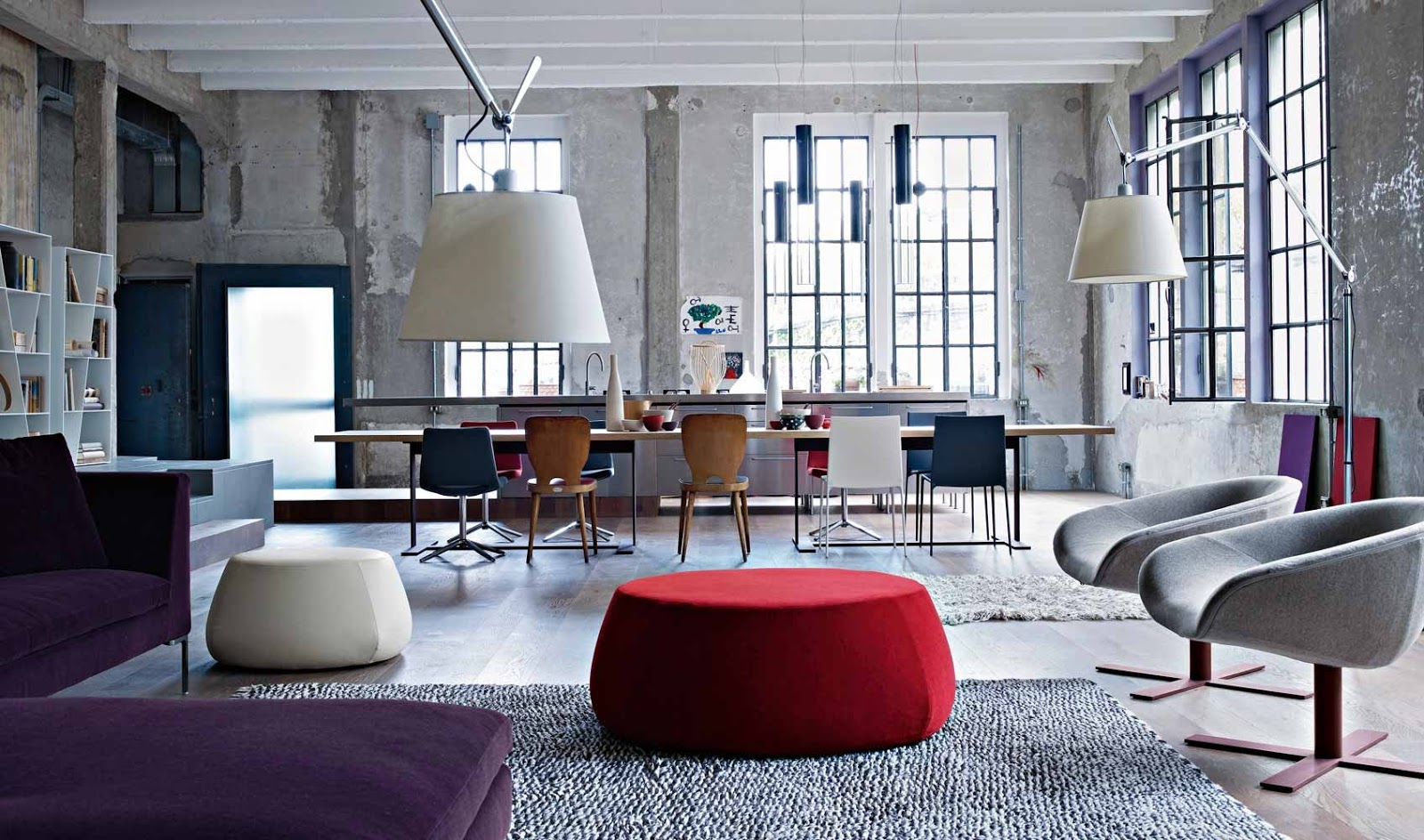
Hipster aesthetic:
bland and same-ish
What appears to have gone wrong there was that the owners/developers wanted to quickly jump on the Millennial bandwagon without doing the home work. If what we are seeing today is the emergence of lifestyle brands, not Millennial brands, it is an obvious conclusion that the fundamentals should not have changed either, such as good customer service and guest experience.

Is there room for improvement in the check in process? Absolutely. But just slapping a check in kiosk in the lobby and letting the guest do all the tedious work of typing in address details (as opposed to being able to hand front end staff my business card so they can do it later) translates into a terrible guest experience. That this part can be handled much better has been proven by early adopters in the lifestyle category such as CitizenM, that engage the guest early and thus have a complete picture at check in that requires just a few steps by the guests themselves in order to walk away with the room key.

And just to complete my list of complaints at that hotel: if you do go to the length of having an iPad for ordering in the restaurant, make sure that it actually is doing what it is supposed to do. Handing me the tablet and warning me to ‘check the order with the server before placing it’ translates into a very expensive exercise in futility.

Last not least, just giving the appearance of ticking all the right boxes with a contemporary design and ‘communal spaces’ is simply not enough. A loft room may be cool and contemporary, but if it is not equipped with enough power points and/or USB charging stations frustration will set in very quickly. And only allowing me to access WiFi with two devices when I need access for 3 (the average is 3.6 today and 4.3 by 2020) will make sure this hotel will disappear from my favourites list forever.


Wednesday, 9 December 2015

China hotel market set to recover within five years...

…and other dispatches from the China Hotel Technology Alliance’s Annual Conference

Jing Zhu, Chairperson of the CHTA
at the opening of the conference
Well attended and organized, CHTA’s third annual conference was held last month in Macau. The overall theme was ‘Creating Value’ and while there were the occasional dull spots, overall the event delivered on what it set out to do.

China Hotel Market is set to recover within Five years
One of the first keynotes dealt with the China market recovery which was pinpointed to occur sometime within the next five years (let’s hope it is earlier rather than later…). Singled out as one of the key factors to set the scene for recovery were international brands, which need to be more flexible in terms of brand standards in China, rather than pursuing a cookie cutter approach to be successful.  

Talking about Millennials - again
Chinese Millennials -
not so different
There is of course no event worth its money that would not bring up the mystical Millennials, and at CHTA’s conference, it was Sunny Wang, Executive Director at HFTP’s Asia Research Centre – herself a Millennial – who took the stage to give us Baby Boomers and GenXers a lesson in all things Millennial. The most interesting for me was her assurance that Millennials are generally happy to play with technology in the room as a novelty factor, even if the technology is not essential. While this shouldn’t tempt hotels to over stack their rooms with gadgets, it is an affirmation that IPTV, second screen, Airplay and Miracast do matter, and will matter even more in the future.

But unlike the Millennials in the Middle East which are unexpectedly brand loyal, Chinese Millennials don’t seem to have a specific trait that makes them different from their peers in other geographies. However, speaking with one delegate from Singapore on the sidelines, he professed that unlike Millennials elsewhere who are generally lone wolf travelers, Millennials in Singapore like to travel in small groups of friends. This type of information has great value to hotel developers as it guides what types of rooms they should cater for, so I hope that someone in due time will make an effort and dissect Millennials likes and dislikes a little more granularly along the geographic divide, rather than just focus on general habits.

With Millennials gradually coming into force, some predicted the hotels of the future will be more like real estate that happens to have some hotel rooms, with rooms being re-purposed as offices, meeting and events spaces and the likes, and sometimes as a place to rest your weary head. While this may sound far-fetched now, one cannot help but wonder what our world will look like once the Millennials have well and truly taken over. As I said before, the 5-star hotel as we know it, for one, will be a thing of the past. And so perhaps will the hotel as we know it, who knows…

Creating Value in a Hotel with IT
The 'Creating Value' panel at the
3rd Annual CHTA conference in Macau
Hotels are run in a very old fashioned way, forcing people to speak to staff for requests rather than fulfilling them through self-serve options. This was the consensus during a panel discussion featuring eminent speakers from the likes of Peninsula, Banyan Tree and Westin hotels. So whatever happened to the coveted ‘personalised touch’? Again, blame the Millennials, but it is undeniable that there is a push away from person to person interaction to self-service – and thank heavens for it, too, if you ask me.

But the far more interesting question posed at the panel was what is stopping hotels from implementing IT to create value? While cost of course is a major factor, blaming the rapid evolution of technology is somewhat less convincing. 

We are on a kind of plateau at the moment when it comes to underlying technology developments. The one thing that’s continuing to change fast is consumer electronics, so as long as hotels underlying technology infrastructure is robust, enabling guests to interact with the hotel’s technology using their own devices should not be a major undertaking.

Finding the right talent to implement and support technology and getting staff to embrace technology rounded off the list of challenges identified by the panel. Nevertheless, the audience vote on whether IT can be a direct source of revenue at the end of the panel was an encouraging 75% yes.

Wednesday, 7 October 2015

Millennial Brand Loyalty and how to not use Social Media in Hotels

Last week’s Hotel Show in Dubai was again a well-attended event, although the conference was a little underwhelming, or at least the TecSec Summit, the technology focused branch of the conference program was.  Generally I believe that great expos have average conferences and vice versa for the
simple reason that each format attracts different types of attendees, so inevitably the part with lesser emphasis will suffer. This was the case for the TecSec Summit which had a great program but suffered from bad accoustics and a lack of a dedicated conference manager who would keep time and more effectively moderate the audience-speaker interaction.

Millennials in the Middle East are different – buy why?
Nonetheless, there were a number of interesting presentations worth battling the ambient noise for. Millennials featured in more than just one presentation and while the general consensus is that this new dominant demographic is picky and demanding, a presentation from Google pointed out that unlike their peers elsewhere in the world, Millennials in the Middle East are very brand loyal.

Why? According to Google, the Millennials in the ME are not quite as sophisticated when it comes to brands but will catch up soon. 

Really? In a region that has become synonymous with brand shopping and conspicuous consumption and boasts large membership of social networks it seems a little far-fetched to blame a lack of sophistication. It would be welcome to get a greater perspective here, as the results may also provide a better understanding of brand loyalty in this demographic in general. I hope the good folks at Google take up the mantle and dig a little deeper here (the essence of the Google presentation can be found here).

Big Data or Big Brother?
Another big topic was Big Data and how hoteliers can use it to their advantage. It’s a topic close to my heart, as IPTV systems by nature can reveal a lot of information about guests through their in-room entertainment system usage. However, most hotels today tend to just look at general statistics, rather than ‘customising’ a guest’s experience.

Copyright Pauline Siebers
Social media is at another level of course and it is tempting to look at the data available surrounding travelers on the net as this big, easily mined pot of gold, ready to be exploited. But just how dangerous it is to approach this topic without a sound strategy and thorough research was evident in the TecSec panel discussion on this topic.

It’s all fair and well to engage with guests on Twitter and Facebook but what about using guest data from social networks to customise his/her visit? Where to draw the line between usefulness and invasive creepiness? Sadly, the panelists only had shrugs rather than enlightened answers, which is a shame, as this question had come up in other sessions of the conference (it does help to attend some other sessions than just your own to get a feel for what is top of mind).

While some people may find it a ‘wow’ factor when the hotel spots from my various social media sites that I like Hello Kitty and stacks my guest room with references to them, an equal amount may find it very creepy and will feel they have been stalked and run a mile, never to be seen at that hotel ever again. The problem is that you may not glance from my online profiles to which camp I belong.

The rather limp response from the panelists was to adopt a ‘trial and error’ approach, which I doubt any hotelier would risk, less a bad experience not only repels one guest, but also presumably his/her 10,000 twitter followers.

Those advocating these purportedly ‘tailored’ initiatives really want an algorithm that neatly takes care of seeking out the info and delivering the right call to action to the hotel for fulfilment. But, as much as culture, conditioning and commerce have forced us into certain stereotypes that behave more or less predictably, there is a core individualism inherent in us that spoils the party for those who want us all to ‘like’ the same thing. And thank heavens for that, too.

Don’t get me wrong, I think data mining could play a much bigger role, especially when determining which pages/services/offers are more popular than others, what content is looked at how often, to better the experience etc. But hotels understand very well that there is a creepiness factor and are mindful of not straying too far into their guests’ privacy.

Beware the 'Beacon' Effect
For now, and unless there is a more solid, empirical approach to this, I believe the most productive way to mine the social media data is to look out for broad trends, rather than individual targeting. Yes, it means business cannot use all that fabulous data out there but as even Facebook learned with their disastrous ad platform Beacon, which resulted in a class action law suit and was eventually scrapped, we are not quite ready yet to accept being completely manipulated.

Wednesday, 24 June 2015

A sad Sayonara for the Hotel Okura

Much has been written about the upcoming demolition of Tokyo's landmark Hotel Okura's main building ever since it was announced in May last year. Widely met with incomprehension that a hotel generally described as a "modernist masterpiece" would be so cruelly dispensed with, it even prompted a "Save the Okura" online petition by Monocle's Tyler Brulé. Sadly, all outcries were ignored by the owners who are pushing ahead to make way for a 38-storey mixed use development which will include a 550-key hotel, re-imagined for our times and in time for the 2020 Tokyo Olympics.

I was fortunate to have stayed at the Okura many times over the years, and again last week, which gave me the opportunity to reminisce and for one more time enjoy the totally unique atmosphere of this soon to disappear landmark.

More images of the Hotel Okura below.

While it is true that it is a specifically Asian trait to prefer new over old, you have to wonder why so many other major cities have managed to hold on to their landmark buildings, many of them hotels. Hong Kong's Peninsula, Singapore's Raffles, New York's Waldorf Astoria, Paris' Ritz  Hotel, to name but a few, have not only been refurbished over the years, but in many instances meticulously renovated to evoke the age these buildings were initially erected. A recent example that comes to mind is Fairmont's restoration of Shanghai's famous Peace Hotel to its former glory, preserving many elements of its historical 1920's and 1930s past.

So why not the Okura? Isn't it enough that it was the first 'international' hotel in Tokyo, that it played host to an impossibly long list of celebrities from all walks of life and - most importantly - that its architectural vision, inside and out, exemplifies mid 20th century modernist architecture in an accessible way? Well, apparently not.
But perhaps looking at the point in time when it was built provides a clue here. All the aforementioned hotels were built in the late 19th or early 20th century in that opulent, colonial style that we now associate with 'grand' and 'old world'. That there has not been another style that has similarly taken our imagination since is profoundly sad. The Peace Hotel symbolises a point in time in the past, the glories of the colonial empire long lost, but now brought back to glory in capitunist China, no less. 


Why the Hotel Okura should not be awarded the same respect is incomprehensible to me. Is the workmanship really that shoddy that it cannot be renovated? Tokyo, after all, is deepest earthquake territory which would have, even in the early 1960s, ensured quality workmanship (not to mention that we are talking about Japan here, the one place where workmanship to this day is taken extremely seriously). While the guest rooms have been renovated rather uninspiringly over the years, judging from how meticulously the interior of the lobby area has been designed and preserved, this hotel was built with longevity in mind. 

But perhaps people at large simply aren't that much into modernist architecture, Mad Men not withstanding. Nice to look at, but for my money please give me something else.


With the main building confirmed to be closing for the last time on 1 August, I guess it is futile to go on about it. The less spectacular South Wing of the building, which was added in 1973 and will be spared the wrecking ball (for now), is due for a quick spruce up from 1 July until 1 August and will serve as the hold out hotel until the new tower is finished in 2019, so you can still get a little whiff of the Okura magic until then. And if you can't make it, take a tour of the hotel below.


Thursday, 11 June 2015

IPTV: The New PMS?

The recent China Hospitality Technology Alliance (CHTA) Reload conference in Shanghai was once again a great opportunity to catch up with technology developments  in the hospitality sector. There were some interesting presentations, too. One on wearables, for example, put the recent hype about Smart Watches and their applications firmly in its place by pointing out the current shortfalls, such as battery life, being tethered to a 'mother' device and, most importantly for the hospitality industry, the lack of standardisation and adaptability which is always the greatest impediment whenever consumer electronics enter the enterprise space.  

Needless to say that I found the presentation on IPTV the most relevant.
IPTV Slide Presented at the CHTA meeting
The message from the chair of the IPTV Standardisation group was clear: IPTV is a key customer service platform and as such is just as important for a hotel as PMS. This is quite an exciting shift from just a few years back when IPTV was seen as 'nice to have' as opposed to 'essential'.

The PMS system is of course the holy grail of a hotel operation as it facilitates hosting hundreds of different people, night after night, smoothly and efficiently - albeit by predominantly operating at the backend. IPTV on the other hand, being the connection between hotel backend and customer facing frontend, is the point where enterprise and consumer interface - the holy grail of guest communication if you like (post check-in, naturally). The two together are a powerful package that, if done properly, combine hotel operation and guest communication on one integrated platform.

Standardisation: walking a fine line
The important point with any attempt at standardisation is that it shouldn't curtail the inherent flexibility of an IPTV system. This is a very fine line to walk indeed. Network set up, cabling constraints, content and features - where do you draw the line?

Also, equally important as defining what IPTV should be is to define what it should not be. IPTV is not a computer, and it is not a mobile device - although it should interact and enable both, and across operating systems. But this is why mobile- and computer oriented services such as We Chat, Skype and social media sites should have no room on it, at least not in their original formats. A hotel we have deployed recently, for example, is curating posts from their Twitter, Facebook and Weibo pages and putting them as images on their IPTV platform on a monthly basis. That's perfect: it's entertainment and it has been customised to work on the TV screen.

But with 72% of web page views now done on mobiles, why try and squeeze 
Share of webpage views, January 2015.
Source: wearesocial.net/blog
the square peg of (say) Weibo into a round hole like IPTV, specifically if the user experience can never be as good as on a mobile (think on screen keyboards...)? And let's not forget the myriad security and bandwidth issues that come with turning the TV into a web browser. Again, it may be ok at home, but a hotel is an all together different environment where rules are set by the lowest common denominator: the worst possible scenario, such as someone downloading masses of pirated movies, clogging the bandwidth for everyone else, or people browsing onto dubious sites infested with viruses.

Here IPTV plays a key role as the facilitator that fits the spare pegs into round holes by integrating guests' own devices, rather than trying to replicate them. 

No doubt these points, and many more, will be mulled over as the IPTV Standards group is preparing its recommendations. But no matter what the final document will look like, let's hope it will contribute towards drawing the lines clearer as to IPTV's role in hotels for all parties.   

Monday, 2 March 2015

Wearable Technology - In Search of a True Purpose?

Smart watches and the whole category of 'wearable technology' is nothing new but has been given a big boost ever since Apple launched its (rather underwhelming, in my opinion) version of  the gadget late last year. Like with their previous products such as the iPhone and iPad, it caused various industries to break into a frenzy to find an application for the gadget within their specific field.

Alas, what most industries have come up with so far is more gimmick than true improvement.

In the hospitality industry, some of the big hotel chains have introduced a smartphone app that lets guests unlock their rooms with a simple swipe - which is genuinely useful and even environmentally friendly. A smartphone does not count as wearable technology I hear you say? Ah yes, but when you load that app on your smart watch it is. Tick the box.

Westin's RFID wristband
But more wearable-centric apps are being launched as well. Westin provides sleep-sensing wristbands that, along with an app, track sleep patterns and provide virtual coaching. A Spanish hotel chain has launched what amounts to an updated version of the Club Med's Bar Beads. Their guest bracelets open guest rooms, pay for meals and automatically enter you in the nightly raffle. Useful? Maybe. Creepy? Definitely. 

Some enthusiasts have said that these new gadgets "utilise new technology and aid guests’ wellbeing".  What's worrying here is the order of importance: shouldn't the well being of guests come before utilising new technology?

The Innovation Dilemma
Every industry is grappling with the innovation dilemma: how much innovation do I need to introduce at what point in time to stay relevant and competitive without annoying my customers?

Take the automotive industry. It's not only Google's driverless cars that are set to radically change the way we view cars. All major car manufacturers have set up shop in Silicon Valley with the explicit aim to innovate the driving experience.

BMW's augmented reality glasses
A recent article on this topic pointed out BMW’s plans to launch augmented reality glasses that allow drivers to see through the side of their cars when parking. While this may be useful if reverse parking is giving you nightmares, the article warned that “the auto industry must be careful not to overhype the importance of some of these innovations and lose focus on what matters to consumers most." This specific device seems to be the equivalent of Westin's virtual coaching wristband — do you really need it?

Innovate it and they will come... but when?
It's not that innovation in itself is incapable of delivering the spark that turns the invention into something genuinely and ground-breakingly useful. But the cause and effect might not always be immediate - far from it.

Graphene: extraordinary properties - limited use
A great article in the New Yorker on graphene made this very clear. Graphene is a feted material that has amazing properties but aside from tennis rackets, no one has yet worked out what it can be used for. That article also quoted the graphene of the 18th century, aluminium, which had a lowly existence as the material pots and pans are made of before the advent of aerodynamic flight finally gave it its truly innovative  purpose.

What this shows is that innovation exists in a larger context that includes not only technical capability, but also socio-economic and cultural influences. It is only when all these stars align that true, groundbreaking innovation takes place - and it may take a very long time after the discovery is made for it to occur.

Meanwhile, there's nothing wrong with tinkering with all of these new technologies, as long as it doesn't compromise the core experience for the consumer.

Or, to quote GĂĽl Heper commercial manager of Swedish hotel brand HTL in an article on wearable technology: “It has to be relevant; it has to be engaging; and it has to be something that makes the hotel experience much better and on the best terms. We try to remove all the gimmicks.” 

Monday, 15 December 2014

Big Data and Millennials dominate regional Hotel Events

Autumn is convention and exhibition time in Asia which of course also includes a smattering of hospitality related events. I attended two: the China Hospitality Technology Alliance Conference (CHTA) in Beijing and the HotelManagement and Technology conference in Jakarta. The CHTA is the China equivalent of HTNG and has managed, in its sophomore year, to stage a slick event that pulled in a lot of big names to lend it some heft.

Standout topics for me were how to manage your OTA relationship (answer: they're here to stay so you better get your strategy right and if you rely 80% on them you are doing something wrong), whether the days of charging for things in the hotel room are over (a resounding yes) and how does big data impact hotels (in every way!).

Big Topic: Big Data
After the session on the latter, the instant WeChat poll of the audience on what info was most important to glean from big data clearly pointed to hotel guests' behaviour during their stay. And rightly so: from improving service to streamlining operations, data on guest behaviour is key for hotels moving forward. The airline industry, as always, is a few steps ahead when it comes to this topic. In a recent report by the FT, Wifi speeds, flexible screen based technology and in-flight entertainment systems featured were named as the key areas where airlines focus their efforts to innovate. "Expect personalised in-flight entertainment experiences, whereby a seat knows who you are before you sit down and what you watched last time," the article quoted one industry specialist. To a degree, it is possible to implement something similar in hotels today as well - provided guests use the same loyalty number to check in the same hotel brand. From building your own TV channel list and saving it for next time, to preferences for in-room dining, big data can facilitate a much more personalised experience which will help with differentiation and brand loyalty. But, as I said before, both airlines and hotels need to carefully manage their guest/passenger data in order to not appear too Big Brotherish which will be a turnoff for many people.  

How will Millennials impact Hotel Brands?
The Jakarta event in November was equally well organised and attended. What caught my attention during the conference was what appears to be a bit of an identity crisis between the plush established 5-star brands and the new, three star kids on the block, such as Tune Hotels.

While the latter promoted its 'cheekier' image explicitly to attract Millennials, Tune's COO Frank Trampert was quick to point out that his hotel chain was aiming at a much broader audience. Similarly, when asked what they would do to attract the Millennial travelers, the representatives of Mandarin Oriental, Fairmont and the like gave rather disappointing answers, mainly praising how their marketing team have embraced social networking techniques.

This very much looked like to me as if currently the hotels at either end of the spectrum expect Millennials to go through a transition from the Tune-style cheekiness to the traditional 5-star hotel brand - pretty much how things have progressed mostly for the past decades as travelers transition from cheap backpacking as students to sophisticated travel as they become established and affluent. While this may still happen, something tells me that this new generation of connected travelers are more likely to shake up this expectation which may have radical consequences on hotels' positioning and design. Watch this space.

Monday, 1 September 2014

The Hotel Whinge List

The travel season is just coming to an end, which is probably why over the past weeks so many travel industry commentators have felt the need to part with their personal gripe lists when it comes to hotels. High time then that I add my two fifth to it.

Don't worry, payable wifi is not on my list. Those hotels still charging for it are few and so far between here in Asia that we can focus on some other areas. 

Mould
I cannot believe that I actually have to mention this, but mould in the bathroom is so widespread in this region that it is high time somebody brings it up. No matter whether it's a five, four or less star, the mould issue seems to be endemic throughout the whole industry. Maybe hotels here in Asia are particularly susceptible because of our steamy climate, but that is no excuse. Is it really so hard to train the cleaner to spritz a little bleach (or preferably something more environmentally friendly) on the tiles so that your guests won't be greeted by some green outgrowth when they step into the shower?

Room Control
Few topics divide people into love/hate camps like automated room controls. There are stories abound of power outages leaving people traipsing around in the dark, unable to open their fully automated black out curtains. I'm sure you've heard them before.
Shangri-la Sydney: gets the light
controls right (without a control panel)

Given that room automation has been around a fair number of years, it's interesting how little this area has improved. But it's a tricky issue, no doubt. Staying in an older hotel recently I found the familiar room control console next to my bed that allowed me to switch on and off certain lights, change the aircon temperature and switch on the Do Not Disturb sign. What it also had, was a curtain automation, which I totally missed and only realised  must have been there after half ripping off the whole window covering  while trying to close it (no fatal damage was done I hasten to add). And while it is great to switch on the Do Not Disturb sign without even getting up, you’d better make sure it resets itself when you leave the room, or you may find your room in the same messy state after coming back from your morning meetings a few hours later.

But my all-time favourite in this department was at a recent stay at a boutique hotel.  This hotel  had supplied each room with an iPad mini for the sole purpose of controlling the room. Aside from the substantial cost that putting a gadget like that in the room would have incurred - and the fact that whenever I tried to hit the aircon button the whole thing froze and had to be restarted - the room was so small that I could reach the wall controls almost lying down. So…what's the point?

Daylight and Night Light
But the thing that really annoyed me about that room control iPad was that at night it lit up the whole room like a Christmas tree, so I had to actually switch the damn thing off altogether, which renders it even more useless. Which brings me to my next pet hate: my room should be nice and flush with light at daytime, and as dark as possible at night time. If your property doesn't have a window - or just a skylight, like the Scarlet in Singapore - advertise it. Do the same  if your hotel has rooms facing the office next door, which turns your room instantly into a windowless room (unless you are an exhibitionist I suppose). On the other hand, make sure that none of the room technology emits any light, blinking or otherwise, at any given time (that includes the STB behind the TV). And position the night light button that it can be found easily while still being half asleep. One of the better hotels I stayed at recently that got the whole light control thing right was the Shangri-la Sydney. Simple, straight forward, easy to reach and operate - not from a central panel I may add.

The Wish List
Treadmill cam
Ok, now for some things that would excite me if they were offered in a hotel. Being a bit of a sporty spice, this includes anything involving the fitness facilities. It really annoys me coming down to the pool for some laps and finding the pool overrun by a bunch of excited kids doing bombs. It would save a me a great deal of hassle if there was a channel on my TV that showed how busy the pool was. Similarly, if I could get an idea if all treadmills are taken while still in my room, I wouldn't have to waste my time going down to the gym to find out that no equipment was available. 

Yes yes, I know what you are thinking: how about privacy? Couldn't this be exploited by sneaky in-room voyeurs? Well come on. Don't tell me there aren't any security cameras around the pool and gym area anyway. All I need is an overview of how busy the area is, so even a camera at a distance or at knee-high level would be enough to do that and still maintain privacy.

The other one that irks me is the sauna. Unlike in a regular gym, a hotel sauna usually has a timer to save energy. All fair and well, but I would really love to come down to the sauna without having to wait 20 minutes for it to be sufficiently hot to do the job. Again, why not utilise the IPTV for that? A simple input mechanism would allow guests to send an email request to the spa desk to switch on the sauna at a certain time. If the guest doesn't show, staff simply switch it off again.

Not everyone is sporty spice, but these are just examples to illustrate the point. In an age where differentiation is a major factor for hotels to stay competitive, these types of small things would go a very long way to foster loyalty.


Thursday, 26 June 2014

Welcome to Modern Airtravel

Flight delays are a pain, no matter how you look at it. But while being annoyed over frequent flight delays used to be synonymous with US airtravel, this has now alarmingly spread across Asia. Or, to be more precise, China and Hong Kong. On a recent 9.20am flight from Chek Lap Kok to JFK, all looked promising with the plane parked at gate 4, which, as the pilot happily announced as we finished boarding, would ensure a quick taxi to the runway. Half an hour later, our pilot, now a little less happy, announced that pushback
would be delayed due to the airport being 'very busy'. When we finally pushed back and headed to the runway, almost an hour after schedule, there were still 13 planes in front of us in the take off queue, which meant another 20 minutes before we were finally airborne. While this type of delay is particularly annoying when you have a 16 hour flight ahead of you, it is even a greater inconvenience when the delay represents almost half the scheduled flying time of a 3 hour intra-regional flight. Unfortunately this type of delay has become a reality for far too many flights in and out of Hong Kong.

Will a new runway solve the delays?
With close to 60 million in passenger traffic in 2013, Hong Kong's airport is certainly bursting at the  seams, which is the type of evidence usually brought forward by people who are in favour of building a third runway at Chek Lap Kok, something that is hotly debated right now. If only it was so easy. "Hong Kong on a sunny day can just cope," a pilot friend of mine I questioned about the delay situation told me. "A few drops of rain though and the delays start," he said. I asked him whether he thought a third runway would ease the pain but he thinks not. "It's not the lack of runways that's the problem. It's the lack of airspace." So in other words, unless you somehow have a magic wand that enables you to build more airspace to handle the increased plane movements a third runway would bring, the situation will not improve.

Bring on the Big Planes
A much better way of coping with the overstretched airport could be to reduce the flight frequency by forcing airlines to use bigger planes to fly with less frequency. For example, Cathay Pacific currently flies eight non-stop flights a day to Singapore, typically all on 777's or A330's. While this is very convenient for frequent travelers there (like me), the same load could be achieved with flying, say, four times a day with A380s. It's less convenient, sure, but if the pay-off is schedule frequency versus increasingly annoying delays, I think I'd opt for the former - being able to rely on a schedule is far more valuable than being at the mercy of unpredictable delays. There would have to be some sort of regulation that the Airport Authority and (ultimately) the government would have to impose for airlines to comply though. But knowing how difficult it is to get any legislation approved in Hong Kong, I won't hold my breath.

The secret of airtavel in China: Stoicism
Of course, if you are a frequent flier to or within China, this will seem like peanuts to you. Delays within China are frequent and unpredictable, mainly due to the Chinese government (and the PLA) closing airspace on a whim, for anything from VIP flights to military exercises. On a recent trip to Shanghai, my flight got cancelled. My flight back was 30 minutes late and the flight scheduled before mine and after both got
Inner calm: Marcus Aurelius,
famous stoic philosopher
cancelled. So I guess I was lucky. A friend, on a recent flight back to Hong Kong from Wuhan, was not so lucky. His plane had already taxied halfway to the runway when it was suddenly announced that there would be a delay. Of three hours. Thankfully the entertainment system was switched on and the meal service started to pass the time, but I would not have wanted to be on that flight, either as passenger or as crew. According to some reports, airlines flying frequently in and out of China now provide special training to cabin crew to deal with passengers becoming irate because of delays. Perhaps they should also hand out a booklet about the benefits of stoicism to the passengers, at least until Xi Jinping tackles this particular issue. After he so successfully outlawed expensive gift giving and lavish banquets, let's hope the issue of flight delays is also on his agenda.

Thursday, 17 April 2014

Dispatches: the blessings of clueless tech companies, foreign labour shortage forces hotels to transform and how not to handle late check-out requests

Get Luckey
Out all night : Palmer Luckey
One of my favourite recent stories in the department of "wacky names" is how yet another 21-year old whiz kid called Palmer Luckey sold his virtual reality business Oculus to Facebook for a handsome US$2bn. Even if it's only a fraction of the $19bn Facebook paid not so long ago for Whats App, it seems like a lucky palm-off indeed. But funny names and big money aside, what was really interesting about this transaction was the discussion it triggered about what the 'next big thing' in tech innovation would be and the dominant tech companies' ability - or rather inability - to predict it.

As Google dabbles in self-driven cars and Glass headsets, Amazon plans to use drones as next generation delivery mechanisms and Facebook now clearly bets on virtual reality transforming our future lives, I tend to agree with GigaOm's Om Malik, who called the current attempt to define the next big thing as "billion dollar dart throwing". "Are the smartest minds of our time as clueless as we are?", he cheekily asks. For hotel IT managers who have been fretting over what the next 'big thing' in hotel technology will be and whether it is just around the corner, this should come as a relief. If the bleeding edge doesn't know which way the cookie will crumble, we shouldn't guess it either. There are plenty of enabling technologies out there now that have the capability to deliver a lot of innovation within the hotel. The key is to find the right application to fit each hotel's personality and to integrate it fully to facilitate smooth operation.

Hotel Industry's Labour Shortage in Singapore is here to stay
STB CEO Lionel Yeo
Meanwhile, at last week's Food & Hotel Expo in Singapore, the CEO of the Singapore Tourism Board Lionel Yeo delivered the news no one in the industry wanted to hear: manpower challenges, triggered by a tightening of foreign labour laws, are here to stay. And Yeo put the responsibility to deal with the chronic shortage of front and back of house staff in hotels across the city state squarely at the feet of the industry itself: "With even more hotel rooms coming onstream in the next few years, this situation will get worse if our industry does not transform. Based on our rough estimates, an additional shortfall of about 3,000 workers by 2017 is looming if we don't make adjustments," he said. While that is sobering news to many hotels struggling to fill positions, many hotels are taking the situation in their stride and are indeed looking at ways to transform their operations. The hotels we have been dealing with are increasingly interested in using the in-room IPTV system to streamline operations and offer self-serve ordering options for the most requested items from housekeeping to in-room dining. Flexibility and customisation are key here as of course no two hotels are alike, but to really benefit from these automated services it is imperative that they are integrated into the hotel's overall ecosystem.


How to not handle late check-out requests

During a short break on Okinawa recently we stayed at a new and comfortable hotel that was at the right location for the activities we had planned and didn't break the bank. All good reasons to recommend it and mark it as a place to return to, and it would be, if it wasn't for one thing: the late check-out charges. We should have had an inkling of what was to come when we were told of the rather early check-out time of 11am, but as we naively asked for a check out at 1pm (to match with our late afternoon flight departure), we were presented with the charges: 1,000 yen every hour, maximum three hours.
Not happy Jan...
While this was delivered with the same unfailing smile we received by staff throughout our stay, it smacked of mercenarianism that leaves a rather sour taste. I have come across fixed late check-out charges and worse behaviour by hotels wanting to make a quick buck by exploiting travelers' skewed flight times before - the worst was in the US where conference delegates who flew in on red-eye flights and wanted to check in earlier than the "3pm standard check-in time" were told their room would be ready for a US$25 fee. But this is not something you usually come across in Asia, and rightly so. Late check-out is not a given and should always be at the discretion of the hotel pending on availability. But even if it's not possible to extend a late check-out for these reasons, the fact that I can ask for it and the staff make an effort to accommodate my request, rather than slap a table of charges in front of me, will make me feel that the hotel values my custom. Not so difficult one would think...

Friday, 28 February 2014

In-Flight Entertainment vs In-Room Entertainment

While reading a recent report by Deloitte's on the future of In-Flight Entertainment systems (IFEs) and how they are changing the flying experience for both passengers and airlines, it struck me how the findings could just as well apply to hotel in-room entertainment systems (let's call them IREs, not that it's a recognised industry term yet, but if there's IFE, there should be IRE...).

Of course, there are some differences in operation and value proposition between planes and hotels. But the fundamentals on which both are rated on are essentially the same: price, destination served (airlines) or location (hotels) and quality of service. Yet, while these days even short haul and low cost airlines see IFEs as mandatory in order to compete, the notion that IREs are an unnecessary expense is still surprisingly widespread in the hospitality industry.  

This is in stark contrast to how airlines value their entertainment systems:  embedded IFEs are typically the single biggest expense after engines (yep...big gasp). Of course there is no point doing a like for like cost comparison between IFE and IRE, given the unique environmental and regulatory challenges of an aircraft that keeps the entry barrier for competition high. But are airline customers and hotel customers really that dissimilar an audience that it would warrant valuing entertainment systems so differently?

Let's take a look at some of Deloitte's findings.

Embedded IFEs are now able to improve the level of service, reduce costs and open up additional revenue streams for the airline.
Given that it is way more complex and expensive to upgrade an IFE system, it's understandable that hotels were somewhat quicker in realising the potential that IREs, combined with flat panel TVs and even smart TVs offer. Having said that though, viewing IREs as a revenue generator and cost reduction enabler has yet to be embraced by the industry as a whole. Way too often hotels still hold the view that now in the age of declining VOD revenues IRE is a cost centre and that's that. Maybe the big price tag forced airlines to find a better way to utilise - and thereby rationalise - their systems, but fact is that good IREs have long been ready to provide substantial tangible and intangible value to hotels.

Personal electronic devices (PEDs) will not replace IFSs, at least not in the immediate future. Airlines must choose IFE systems which allow and encourage the use of PEDs in conjunction with IFEs.
An important point that hotels should note: simply abandoning the TV and concede defeat to personal devices would be shortsighted. A TV is prime marketing real estate in a hotel room and even with an increase in the use of PEDs, television still reigns supreme when it comes to entertainment - even among the
much coveted Millennial demographic. Interaction is key here, so offering Miracast and/or Airplay integration with the in-room TV is a must for any IRE system to provide the type of sticky service that creates brand loyalty.

A cost effective and scalable Wifi internet solution will be an industry game changer.
Well ok, this is where the airline industry has long been on the backburner because (we were told) it was not compatible with navigational instruments. Or something. But where there's a will there's a way, apparently, and just now I read that ANA has joined the fray of airlines that are enabling Wifi internet access on their flights. My guess is that the airline industry will go through a similar trajectory with Wifi as the hotel industry did: to start it will be a novelty that people are willing to pay big bucks for, then it will be an expected commodity with charges petering out towards a free or tiered model. I wished airlines took a leaf from their cousins in the hotel business and go straight for the freemium model. But somehow I think it's not going to happen... 
  
IFE is no longer a must-have offering for long haul full service carriers, but a tool for improving business of low cost and short haul carriers.
Just like IFEs, IREs were very much a five star proposition just a few years ago. But the relentless march of technology has made IREs now an affordable and viable option for budget hotels, just as it has done for budget airlines. Smart TVs are playing a major role here, but so does the ability to integrate with workflow systems that streamline backroom operations, such as housekeeping. For airlines it is now much easier to provide IFE, for example with tablet based systems, but it is also how they use it that matters. And similarly to budget hotels, low cost airlines see the system as a tool to provide upsell or streamlining operations, rather than "just" an entertainment tool, which has long been the main purpose of IFEs.

Passenger are placing increasing emphasis on IFE and connectivity, thus a quality offering is an easy way to market an airline as cutting edge and an effective way to fill seats.
Well, replace "airline" with "hotel" and "fill seats" with "generate bookings" and you have the purpose of an in-room entertainment system in a nutshell.

Thanks Deloitte!

Thursday, 30 January 2014

Horsing Around: Five Thoughts for the Hospitality Industry in the Year of the Horse

Time flies when you are having fun, so as the lunar New Year is almost upon us, I better add my two fifth to the canon of opinions and predictions that have so far poured out for the New Year of the Horse.

1. Integration, not Innovation    
As I said many times before, technology should be the conduit for a smoother guest experience, not the raison d'etre. The "hotel room of the future" has reared its head again with a follow up of what was launched last year at the FITUR hotel conference in Spain. Now, a full one year later (a lifetime in technology these days), apparently people can finally try it out. Judge for yourself here, but I very much doubt that this will "take the hotel experience to the next level" as the people behind it want us the believe. Given the fact that the hospitality industry in general has to bridge a large generational gap at any given time, it cannot and will never be the hotbed of technology innovation. So rather than putting more technology into the room (like all those screens in the supposed hotel of the future...), hotels should focus on looking at how to better integrate what's already there to deliver a smoother experience - for guests AND hotels. This is where the ultimate expertise lies - not how many clever gadgets you can throw out there, but how you can intelligently integrate them into the overall ecosystem. As for the gadgets: to paraphrase Publicis chairman Maurice Levy at the Davos World Economic Forum last week, nowadays participants at Davos carry smartphones, tablets or both, whereas 10 years ago delegates were handed Palm Pilots (remember them?), and more recently it was Second Life that was predicted to dominate our lives, and is now of course almost never heard of. Enough said!

2. Bridging the Generational Gap
Having made the point about the challenges for hotels to serve multi-generational guests, hotels nonetheless are in danger of failing to adapt to a new breed of guests whose needs and demands are entirely different to those of previous generations. All too often we see hotels do nothing out of fear of alienating their not so tech savvy guests. This is a big mistake. A new study in the changing nature of hotel guests undertaken by global hotel consultancy HVS called  ‘A New Breed of Traveller’ says the impact of rising affluence, globalization and technology has led to modern hotel guests valuing experiences and the feeling of ‘being connected’ over traditional hotel luxuries. So what about the not so modern hotel guests you may ask? Well, offer both experiences. If you have interactive In-room Dining on your TV, make sure you also have a hard copy of your dining menu in each room to facilitate the transition from one generation's habits to another's.

3. Airbnb is NOT 'crushing' traditional hotel brands
Plenty of articles over the past year took aim at Airbnb and its imitators and how they are 'crushing traditional hotel brands'. I tend to think this is a tad overblown. Airbnb will definitely continue to grow and disrupt particularly the extended stay market, but 'crushing' the hotel market? I doubt it. The numbers may look intimidating, and there was much hoopla over the company's swanky new headquarters in San Francisco, but if you take a close look at what Airbnb is actually offering in terms of experience it puts those numbers in a different light. Let me share my Airbnb experience when I traveled to Tel Aviv last year. I booked a lovely looking penthouse in a funky part of the city. There were no elevators, so we had to lug our luggage up four flights of stairs - no porter in sight. The apartment didn't have a coffee machine as the owner apparently drinks tea. We were leaving during the Shabbat, so finding a taxi was a challenge as we couldn't ask the front desk to organise one. Don't get me wrong, these were not deal breakers and in terms of value for money it was absolutely alright for the holiday nature of this trip.

But would I book Airbnb for my business trips? Not a chance. And that's my prediction: Airbnb will grow within the extended stay and backpacking demographic. But I think the business and medium to high end leisure travelers will stay well clear of it.

4. ... but OTAs continue to disrupt the market
Rather than worring about Airbnb, hotels should focus on OTAs. OTAs are here to stay, and I think hotels have pretty much accepted this, but the challenge is how to wrestle some of the distribution channel control back from OTAs. So in the coming year we will see hotels ramp up their efforts to do just that, employing all channels available to them, including the in-room TV.

But that's not all of it. A recent article covered the challenges posed by the fact that despite the seeming ubiquity of credit cards and pay pal, a surprising number of countries still prefer different payment methods. In Brazil, paying in instalments is the norm and OTA Hotels.com has responded by allowing this form of payment since last year, as well as allowing guests to pay when checking out, rather than checking in, which is the preferred way to pay in southern Europe and Russia. According to the article in the FT, the online room retailer had to renegotiate 250,000 hotel contracts, but the potential upsides are evidently huge, given that, for example, Brazil's ecommerce market is set to grow from $18billion to $26billion in the next four years. So if hotels want to go head to head with OTAs they have little choice but to do the same.

5. The Labour Crunch will Increasingly Squeeze Operations
As the Asia-Pacific continues to plough ahead as the region with most growth potential, a dearth in qualified staff is starting to become an issue in some markets. Specifically in places like Singapore, where hotels suffer serious manpower shortages since strict new immigration laws have come into place. While there are no overnight solutions, a number of our hotel customers are seriously looking at how technology can assist with streamlining their backroom operations and ease the reliance on manpower.

But we are not talking about new technology, mind you. This is an issue of looking at existing technology in hotels and how it can serve to increase productivity, rather than jumping at new technology innovation. For example, a hotel's IPTV system can do much more than just infotain the guest. With the right programming and integration work it can easily become a crucial tool for streamlining backroom operations such as housekeeping. In the coming year we will see a much greater emphasis on this area, which proves again my first point: it's integration, not innovation that has the upper hand at this point in time.


And on that: Kung Hei Fat Choi - Happy Chinese New Year of the Horse!